Where We Are Now
The smartphone market isn’t shrinking, but it is stale. For years, innovation meant a slightly better camera or marginally longer battery life nice, but not game changing. Most users now hold onto their phones longer because new models feel like reruns. That’s the saturation point we’ve hit: plenty of devices, not enough excitement.
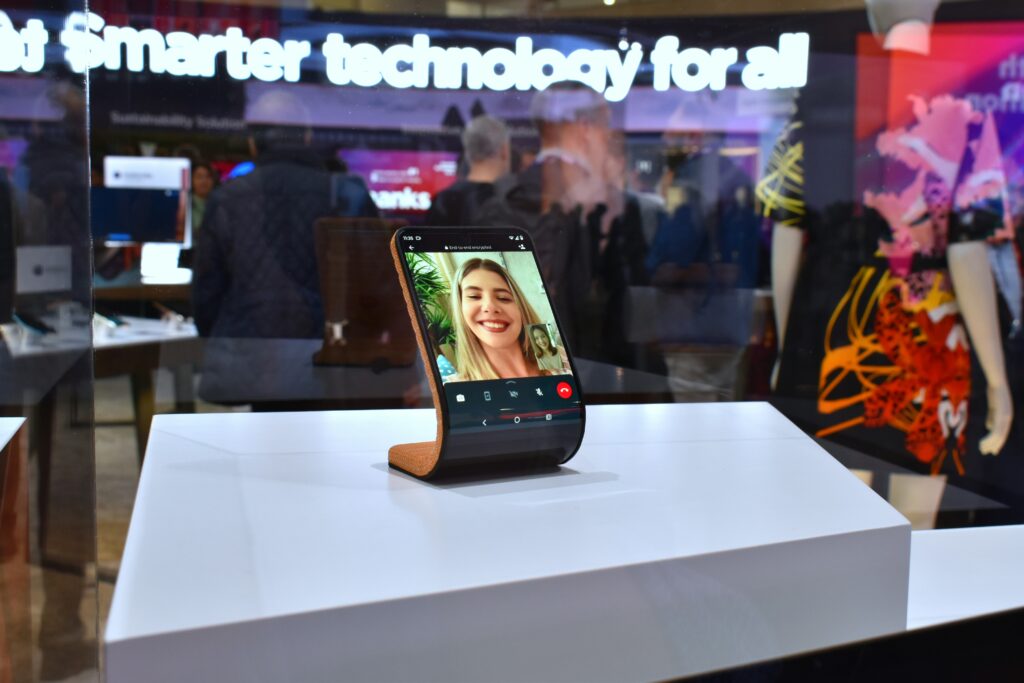
Enter foldables. What started as a flashy gimmick is maturing into a real segment. Folding screens first grabbed attention for their wow factor, but they’ve begun solving problems too like letting users carry a tablet sized screen in their pocket or snapping between work and play modes with a single flip. Folding tech isn’t just about looking futuristic now, it’s about being functional.
The big players are doubling down. Samsung leads with its Galaxy Z series, refining design and improving build with each generation. Google stepped into the arena with the Pixel Fold, tying it tightly to the Android experience. Huawei, despite limited Western market access, continues to innovate aggressively in Asia. The message is clear: the foldable race is no longer just a novelty sprint it’s a long distance chase for the next mobile standard.
Why Foldables Might Stick
Foldable phones aren’t just a gimmick anymore. They’re solving actual problems not making new ones. The big win? Real multitasking. Having a device that folds out to tablet size means you can answer emails on one half of the screen while reviewing notes or watching reference video on the other. For creators, remote workers, or anyone juggling apps, that’s a serious productivity edge without the weight or bulk of a tablet.
It’s also about space. Foldables are giving users more screen real estate without taking up more pocket space. Whether it’s tri fold concepts or flip format phones, the form factor offers portability with performance, which the flat slabs of the past couldn’t deliver.
And if durability scared you off before, that’s changed. The third and fourth generations of these devices are tougher with better hinges, stronger protective coatings, and water resistance inching closer to standard. They’re not indestructible, but they don’t feel fragile anymore either. The tech’s getting tighter, and the compromises are shrinking. Foldables are finally pulling their weight as real tools, not just flashy toys.
The Tech Under the Hood
Foldable phones aren’t just regular smartphones with a party trick they’re built on a stack of quietly evolving hardware and software engineering. At the core are flexible OLED displays that can bend thousands of times without compromising sharpness or touch accuracy. They’re thin, bright, and getting better at handling real world wear like being jammed in a pocket next to keys or dust. But the screen is only half the story.
The hinges are where the magic (and the headaches) happen. Today’s top tier devices use refined hinge mechanisms with fewer moving parts, water resistant seals, and materials like ultra thin glass layered with protective polymers. Getting this right means fewer creaks, tighter folds, and way fewer broken screens in six months.
Battery life is still a hurdle. Two screens mean double the strain, so brands are pushing aggressive battery management and smart refresh rate controls. Some are experimenting with split batteries for better internal balance and charging efficiency. It’s not perfect, but it’s edging toward all day use, even with heavy multitasking.
Then comes the software. Foldables demand adaptive UIs that shift seamlessly from phone to tablet mode. Teams at Google and Samsung have made solid progress here, but third party developers still lag. Only a few apps truly scale well or use the extra screen real estate creatively. Vlogging tools, for example, work great on a dual screen preview on one half, edit on the other but only if the app cares enough to support it.
All this means foldables are no longer experimental they just need another loop or two around the development track before they feel fully integrated into our tech lives.
What’s Holding Foldables Back

Foldable smartphones might look futuristic and they are but right now, they still carry a price tag that puts them out of reach for most. Models from top players like Samsung and Huawei often launch at $1,500 or more, and even the entry level options aren’t cheap. For the average buyer, that kind of cost adds up to a hard pass, especially when standard smartphones already do most things well.
Beyond the price, there’s the software puzzle. Many third party apps still don’t play nicely with folding screens. You might get weird scaling, broken layouts, or simply no UI adaptation at all. Until developers prioritize optimization for foldables, the user experience remains hit or miss.
Then there are the long term questions. Yes, durability has improved since the early models, but issues linger from screen creases to hinge wear. Most buyers are used to phones lasting for years; the jury’s still out on whether current foldables can meet that standard. Until these pain points are resolved, foldables will struggle to move from niche to norm.
Adoption Signals to Watch
Enterprise users and creative professionals are often first in line when hardware shows real utility and foldables are starting to earn that spot. The flexible form factor offers a natural fit for digital artists, designers, multitaskers, and field professionals who need power and portability in one package. Dual screen setups are especially appealing for productivity workflows think video editing, scriptwriting, client presentations without the bulk of multiple devices.
At the same time, foldable tech is starting to trickle down into the mid range price tier. Manufacturers like Motorola and Xiaomi are quietly pushing more affordable models, signaling confidence in production yields and durability. The tech isn’t perfect, but it’s becoming accessible enough to move beyond flagship status.
Marketing is shifting too. What was once sold as a luxury device for the ultra tech savvy is now being framed as a practical, everyday upgrade. Messaging leans less on novelty and more on utility: more screen, greater functionality, smaller footprint. If 2023 was about proving the concept, 2024 is about convincing the average buyer it’s worth the leap.
Related Trends Worth Tracking
Foldables aren’t just an endpoint they’re a stepping stone. The tech behind them is paving the way for the next generation of devices: rollables, expandables, and modular formats that adapt to the user rather than the other way around. What we’re seeing is a hardware evolution toward flexibility literally and functionally. Foldables have shown that people want more screen, more productivity, and less compromise on form. Rollables aim to take that further, with displays that stretch or contract based on what you’re doing. And modular devices could let users upgrade components like cameras or memory without swapping the whole phone.
Then there’s the growing connected ecosystem. Foldables play well with smart homes, acting as central hubs to control everything from lights to locks, thermostats to to do lists. With larger unfolded screens, managing multi device setups doesn’t feel cramped or awkward. It’s another layer of utility that goes beyond cool form factor making foldables not just phones, but control panels for your digital life.
Looking to see how all this ties into your daily routine? Check out our smart home device guide.
Bottom Line for Mobile Users
If you’re a multitasker, creative professional, or someone who regularly burns through screen time on your phone, a foldable might already make sense. The utility is real drag and drop between apps, full screen editing, or reviewing documents without pulling out a laptop. If your device is pushing three years or more and you live inside your phone for work or content, it’s worth considering the upgrade now. Just know: it’s still a premium experience with a premium price.
If you wait one or two generations, expect smoother hinges, better battery life, and hopefully lower entry costs. The OS support will be more seamless too, especially as developers finally catch up to dual screen scaling quirks. Waiting might also mean more mid range options without major sacrifices in performance or durability.
Whether you buy now or later, make sure your foldable doesn’t sit solo. Foldables shine when synced with the rest of your tech laptop continuity, wearable compatibility, smart home interoperability. Double check that your ecosystem can handle the leap.
(Want your devices to work better together? Don’t miss this smart home device guide)
 Loren Hursterer is the kind of writer who genuinely cannot publish something without checking it twice. Maybe three times. They came to expert analysis through years of hands-on work rather than theory, which means the things they writes about — Expert Analysis, Latest Technology Updates, Mental Health Innovations, among other areas — are things they has actually tested, questioned, and revised opinions on more than once.
That shows in the work. Loren's pieces tend to go a level deeper than most. Not in a way that becomes unreadable, but in a way that makes you realize you'd been missing something important. They has a habit of finding the detail that everybody else glosses over and making it the center of the story — which sounds simple, but takes a rare combination of curiosity and patience to pull off consistently. The writing never feels rushed. It feels like someone who sat with the subject long enough to actually understand it.
Outside of specific topics, what Loren cares about most is whether the reader walks away with something useful. Not impressed. Not entertained. Useful. That's a harder bar to clear than it sounds, and they clears it more often than not — which is why readers tend to remember Loren's articles long after they've forgotten the headline.
Loren Hursterer is the kind of writer who genuinely cannot publish something without checking it twice. Maybe three times. They came to expert analysis through years of hands-on work rather than theory, which means the things they writes about — Expert Analysis, Latest Technology Updates, Mental Health Innovations, among other areas — are things they has actually tested, questioned, and revised opinions on more than once.
That shows in the work. Loren's pieces tend to go a level deeper than most. Not in a way that becomes unreadable, but in a way that makes you realize you'd been missing something important. They has a habit of finding the detail that everybody else glosses over and making it the center of the story — which sounds simple, but takes a rare combination of curiosity and patience to pull off consistently. The writing never feels rushed. It feels like someone who sat with the subject long enough to actually understand it.
Outside of specific topics, what Loren cares about most is whether the reader walks away with something useful. Not impressed. Not entertained. Useful. That's a harder bar to clear than it sounds, and they clears it more often than not — which is why readers tend to remember Loren's articles long after they've forgotten the headline.