The NFL has always been at the forefront of innovation, striving to bring fans closer to the action in ways that go beyond the traditional broadcast. In recent years, the league has embraced augmented reality (AR) and virtual reality (VR) technologies to create immersive experiences that engage fans like never before. From interactive replays in living rooms to virtual stadium tours, these technologies are reshaping how fans experience football. While many demographics will look at game day trends like the Super Bowl touchdown scorers odds on DraftKings and debate player props, the league is quietly building the next generation of fan experiences.
Here is a look at how the NFL is introducing AR and VR into its fan ecosystem, the benefits for supporters, and what the future might hold.
What AR and VR Bring to NFL Football
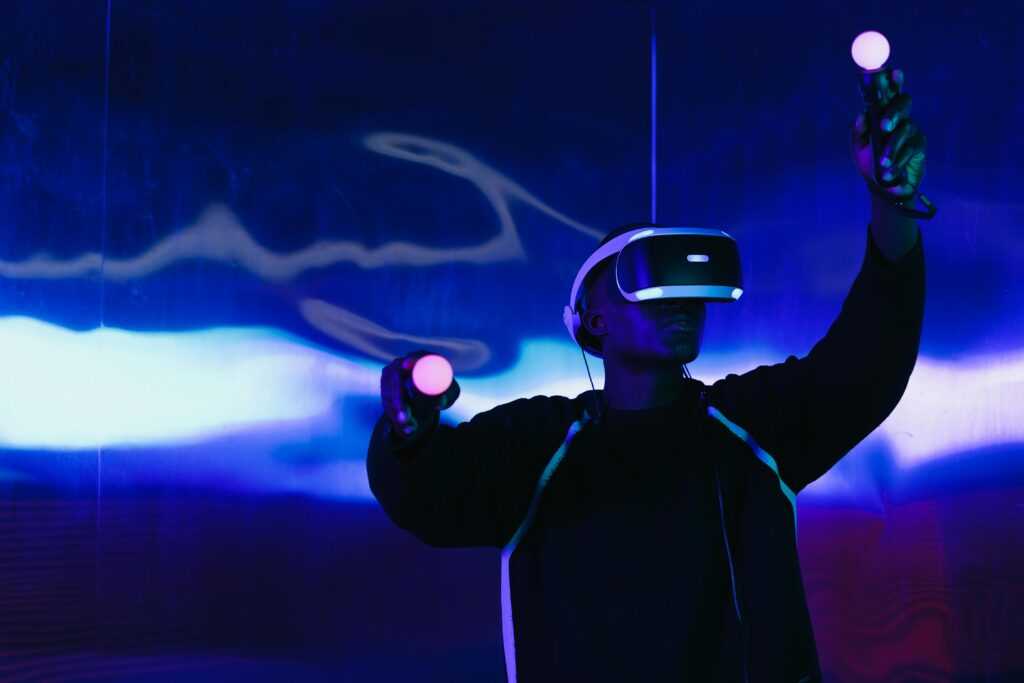
At a basic level, AR and VR allow fans to interact with digital content in ways that feel more tangible and engaging. Augmented reality overlays digital elements onto the real world through devices like smartphones, tablets, and AR glasses. Virtual reality creates fully digital environments that fans can explore using headsets such as Oculus Quest or similar devices.
In the context of NFL fandom, these technologies provide new ways to:
- View and study plays from any angle
- Explore stadiums and locker rooms virtually
- Interact with player statistics and 3D models
- Participate in games and challenges tied to live matches
The NFL is leveraging these tools to enhance both remote viewing and in-stadium experiences.
AR Highlights for Remote Fans
One of the most exciting applications of AR for remote fans is enhanced live broadcasts. Using companion apps, fans can point their devices at a TV screen and see additional content layered over the broadcast feed. This may include:
- Real time statistics of players
- AR overlays of routes and coverage
- Play diagrams showing formations and expected outcomes
For example, during a game a fan could use an AR feature to visualize a player’s speed or how key blockers created space for a run. This creates a richer understanding of the strategy on the field.
These AR experiences are particularly engaging for younger fans and those who enjoy in-depth game analysis. Instead of just watching a play unfold, they can explore it. This interactivity strengthens fan involvement and opens new possibilities for fantasy football and entertainment.
VR Stadium Tours and Locker Room Access
Virtual reality has been especially effective in giving fans access to spaces they would rarely see in person. The NFL has developed VR experiences that allow fans to:
- Take virtual tours of iconic stadiums
- Wander through locker rooms on game day
- Experience the pre-game atmosphere from the field
- Replay historic Super Bowl moments from unique vantage points
These VR experiences are available through apps and certain partner platforms, allowing fans with headsets to feel as though they are on the sidelines even if they are thousands of miles away.
A fan could, for instance, the Super Bowl, explore SoFi Stadium in Los Angeles or MetLife Stadium in New Jersey at their own pace, hearing ambient sound and viewing interactive exhibits that highlight key historical moments. This is a powerful tool for global audience engagement, especially with international fans who may never physically attend a game.
Interactive Fan Zones at Stadiums
The NFL has also rolled out AR experiences at stadiums during live games and play off matches. Fans can use AR apps to access exclusive content while they are inside the venue. Examples include:
- Live player stats when scanning jerseys or helmets
- Interactive fan chants with visual effects
- Instant replay views from multiple angles
- Virtual souvenirs that can be shared on social platforms
These interactive zones make attending a game more than just watching the on-field action. They turn the stadium into a dynamic digital playground that enhances the social experience of fandom.
Training and Youth Engagement
Beyond entertainment, AR and VR are being used to support training and youth engagement initiatives. Some teams have developed virtual drills using VR headsets that help young athletes understand formations and decision-making without needing a full field or team present.
This use of VR for education expands the league’s reach into communities, encouraging young fans to engage with football in productive ways. AR apps can also teach rules, penalty concepts, and strategy through interactive simulations that make learning feel like gameplay.
Partnerships With Tech Leaders
The NFL’s push into AR and VR has been supported by partnerships with leading tech companies. These collaborations help ensure the experiences are high quality and dependable on a mass scale. With the fast pace of AR and VR innovation, partnering with technology firms ensures the league remains ahead of the curve rather than playing catch-up.
These partnerships often include co-branded apps, experimental fan experiences during major events like the Super Bowl, and shared research on how emerging technologies can improve engagement.
Monetization and Revenue Opportunities
From a business perspective, AR and VR open new revenue streams. Potential monetization opportunities include:
- Premium access to immersive replay content
- Branded AR filters and effects from sponsors
- VR stadium tours sold as digital experiences
- Subscription-based enhanced game day features
As media rights and traditional sponsorship revenue evolve, these digital experiences offer the league and its teams additional ways to monetize attention and deepen fan loyalty.
Challenges and the Road Ahead
While the potential is exciting, there are challenges. Not all fans have access to VR headsets or the latest AR-capable devices. Ensuring accessibility and user friendliness remains crucial for widespread adoption. There is also the question of data privacy, as these technologies collect detailed user interaction information.
Despite these challenges, the league’s continued investment signals confidence. As hardware becomes more affordable and experiences more seamless, AR and VR are likely to become standard parts of the NFL viewing experience.
The NFL’s introduction of augmented and virtual reality experiences marks a significant evolution in fan engagement. By allowing fans to interact with the game in immersive, interactive ways, the league is setting a new standard for sports entertainment. Whether fans are exploring stadiums virtually, breaking down plays in AR, or experiencing game day from a new perspective, these technologies strengthen the emotional connection between supporters and the sport.
In an era where attention is increasingly fragmented, AR and VR help the NFL capture and enrich the fan experience in ways that go beyond the final score. This strategy not only amplifies engagement but also creates new avenues for growth, innovation, and long-term fan loyalty.
 Loren Hursterer is the kind of writer who genuinely cannot publish something without checking it twice. Maybe three times. They came to expert analysis through years of hands-on work rather than theory, which means the things they writes about — Expert Analysis, Latest Technology Updates, Mental Health Innovations, among other areas — are things they has actually tested, questioned, and revised opinions on more than once.
That shows in the work. Loren's pieces tend to go a level deeper than most. Not in a way that becomes unreadable, but in a way that makes you realize you'd been missing something important. They has a habit of finding the detail that everybody else glosses over and making it the center of the story — which sounds simple, but takes a rare combination of curiosity and patience to pull off consistently. The writing never feels rushed. It feels like someone who sat with the subject long enough to actually understand it.
Outside of specific topics, what Loren cares about most is whether the reader walks away with something useful. Not impressed. Not entertained. Useful. That's a harder bar to clear than it sounds, and they clears it more often than not — which is why readers tend to remember Loren's articles long after they've forgotten the headline.
Loren Hursterer is the kind of writer who genuinely cannot publish something without checking it twice. Maybe three times. They came to expert analysis through years of hands-on work rather than theory, which means the things they writes about — Expert Analysis, Latest Technology Updates, Mental Health Innovations, among other areas — are things they has actually tested, questioned, and revised opinions on more than once.
That shows in the work. Loren's pieces tend to go a level deeper than most. Not in a way that becomes unreadable, but in a way that makes you realize you'd been missing something important. They has a habit of finding the detail that everybody else glosses over and making it the center of the story — which sounds simple, but takes a rare combination of curiosity and patience to pull off consistently. The writing never feels rushed. It feels like someone who sat with the subject long enough to actually understand it.
Outside of specific topics, what Loren cares about most is whether the reader walks away with something useful. Not impressed. Not entertained. Useful. That's a harder bar to clear than it sounds, and they clears it more often than not — which is why readers tend to remember Loren's articles long after they've forgotten the headline.