Cleaner Homes, Smarter Living
Efficiency isn’t optional anymore it’s baseline. In 2026, energy efficient appliances have become the norm in new builds and renovations alike. Refrigerators, washers, and HVAC systems no longer flaunt energy ratings as premiums they’re baked in. Manufacturers that don’t meet the standard are already behind.
The real shift? Solar setups paired with smart batteries. Homeowners are watching their power bills drop as they store sunlight and automate its usage. These systems don’t just save money they add resilience, especially during blackouts or peak demand hours.
Water waste is also getting handled quietly. Smart irrigation and leak detection systems now run in the background, using sensors and AI to fine tune usage without constant oversight. It’s low hassle, high impact tech, and it’s putting sustainability on autopilot.
Green living used to be effort. Now it’s just how modern homes operate.
Urban Travel Looks Very Different
The streets are quieter now. Not because people stopped moving, but because how they move has changed fast. E bikes and electric scooters have become the go to for short distance travel. They’re cheap to run, easy to park, and fit better with life in dense urban hubs. For daily commuters, they beat traffic. For cities, they cut emissions without any real downside.
Meanwhile, electric vehicles have flipped the affordability script. Thanks to scaled production and heavy subsidies, owning a new EV can cost less than buying a used gas guzzler. That’s reshaping what first time car buyers or budget conscious families are choosing. Charging ports? Showing up everywhere. Residential buildings, grocery store lots, and even lamp posts are evolving into power points.
City planners are in on it too. Urban cores are being redesigned for people, not cars. We’re seeing more pedestrian only streets, bike highways, and parking lots replaced with green spaces. Infrastructure is catching up because it has to the demand is already there.
This isn’t futuristic anymore. It’s now. And it’s only accelerating.
Smarter Food, Less Waste
Food waste isn’t just a moral issue anymore it’s a tech problem begging for smarter solutions. In 2026, composting doesn’t mean a smelly bin under your sink. Compact countertop machines now turn scraps into usable compost in under 24 hours, without the usual mess or pests. They’re quiet, fast, and blend right into a modern kitchen. No guilt, no hassle.
Meanwhile, home food scanners are becoming kitchen staples. These sleek devices use sensors to read freshness levels in produce, dairy, and even leftovers. Instead of guessing whether the spinach is still good, you get a clear answer and waste less because of it.
For city dwellers, the biggest shift might be upward. Urban farming and vertical gardens are moving out of the novelty corner and into serious food production. Rooftops, balconies, and even old warehouses are turning into grow spaces with LED arrays and climate controls. Fresh lettuce grown two miles away? That’s not a dream it’s dinner.
This isn’t just about saving the planet. It’s about control, clarity, and making the kitchen smarter without making life harder.
Workplaces That Actually Help the Planet
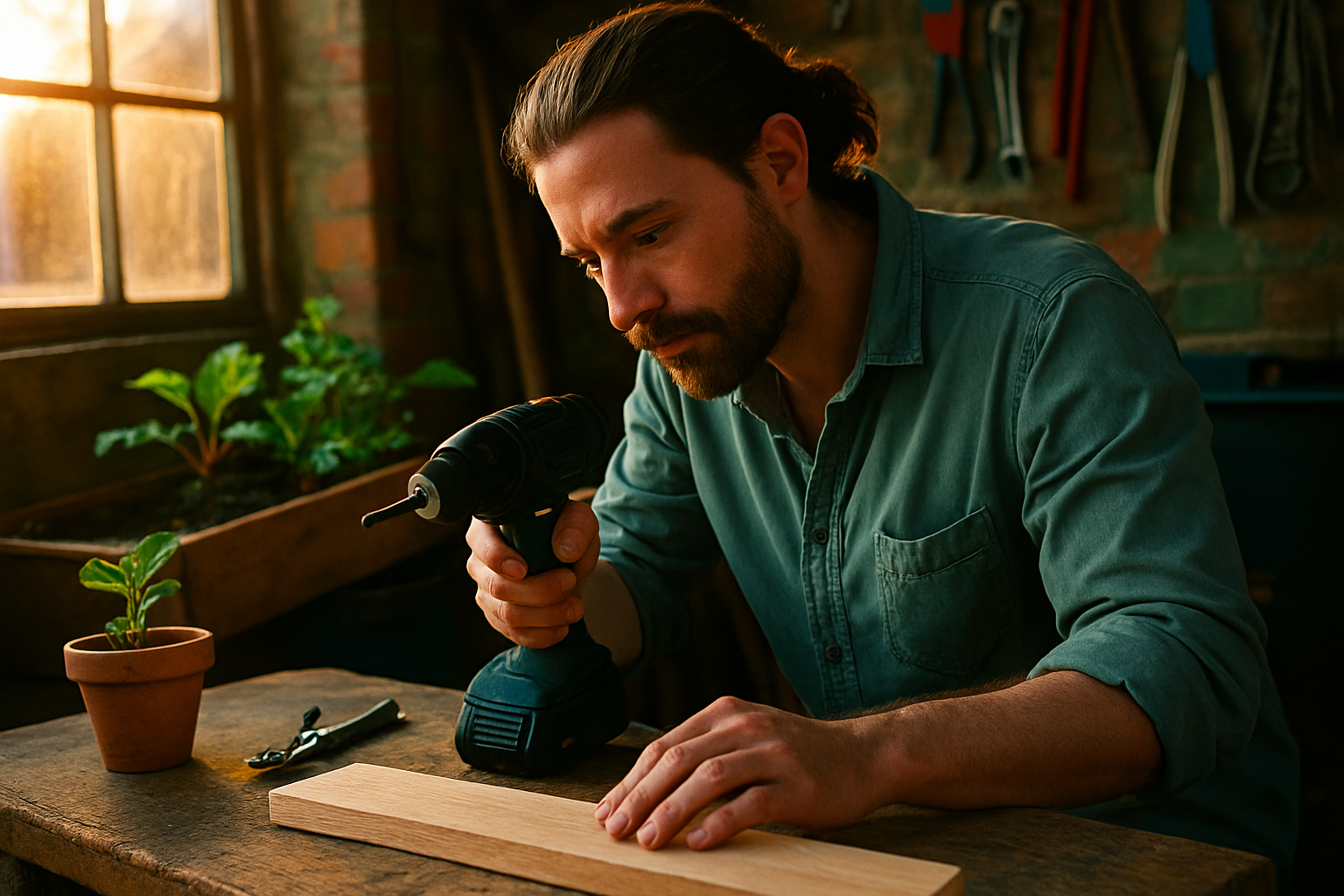
As green technology moves from novelty to necessity, the modern workplace is undergoing a silent transformation. The office spaces of 2026 are designed with sustainability first and it’s not just about aesthetics. Companies are turning toward architecture, operations, and location choices that leave a significantly lighter environmental footprint.
Green Buildings Go Mainstream
No longer reserved for tech giants or startups with eco conscience branding, green design is now central to commercial construction.
Solar glass panels are replacing traditional windows, turning office buildings into passive power generators.
Passive cooling systems use ventilation, shading, and thermal mass to minimize the need for energy hungry air conditioning.
Integrated renewable energy systems help offices operate with minimal reliance on fossil fuels.
Eco Credentials Now Boost Real Estate Value
Green certifications once seen as a bonus have become deal breakers.
Buildings with sustainability benchmarks (LEED, BREEAM, etc.) command higher lease rates and attract longer term tenants.
Real estate investors now factor in lifecycle emissions and energy performance when valuing commercial properties.
Cities and municipalities are beginning to prioritize eco certified spaces in zoning and permitting.
Remote Work Reshaping Energy Demands
The rise of hybrid and remote work isn’t just shifting workplace culture it’s changing how cities consume power.
With fewer commuters, urban centers see lower transportation based emissions.
Fewer people in offices daily means reduced energy usage per square foot.
Many regional utilities are adjusting infrastructure to support distributed consumption, including subsidized home office upgrades.
The result? More intentional, lower impact work environments that benefit not just companies, but entire city ecosystems.
The Silent Revolution at Home
Technology is quietly reshaping the way we live indoors, making our homes healthier, more energy efficient, and deeply connected to broader sustainability initiatives. While this transformation isn’t always flashy, it’s foundational and happening faster than most people realize.
Breathe Better by Design
Clean air is no longer a luxury. New all in one devices combine air quality sensors, allergen filters, and climate control into a single smart system. These compact units constantly monitor your environment and adjust filtration automatically.
Built in sensors track humidity, pollution levels, and allergens
Real time alerts prompt windows to close or purifiers to activate
Devices adapt to seasonal changes without any manual input
Smarter Cities, Smarter Incentives
Your utility box is becoming your link to a cleaner future. Municipalities are now integrating rebate programs directly into smart meters, allowing households to automatically qualify for and benefit from green energy incentives without filing paperwork or mailing receipts.
Rebates triggered automatically when energy efficient appliances are detected
Real time energy usage is linked with city level sustainability programs
No need for forms just install, connect, and save
Power to the People: Local Energy Sharing
Community based energy co ops are emerging as a fairer model for distributing renewable power. These neighborhood networks allow households to share excess power, collectively store energy, and reduce reliance on centralized grids.
Solar energy is pooled across homes to stabilize output
Smart software balances energy demand within the block
Members benefit from lower costs and higher energy independence
Together, these innovations show how even modest tech upgrades at home are adding up to major environmental progress.
The Crossover Between Clean Tech and Personal Tech
Sustainability isn’t staying in your recycling bin it’s on your wrist, in your pocket, and under your feet. Wearable devices are now tracking more than just steps or heart rate. New models monitor your daily carbon output by analyzing transit use, digital habits, and even consumption patterns. It’s an eco check engine light, quietly nudging you toward smarter choices.
Meanwhile, apps are connecting the dots behind the scenes. Think of them as personal eco coaches, breaking down how your daily routines like ordering lunch to go or binge streaming late into the night add up environmentally. Then they recommend low friction switches: walk instead of ride, unplug instead of idle, local instead of mass shipped.
Even the gear we wear is pulling its weight. Shoes, backpacks, jackets built from recycled ocean plastic or re spun textiles are embedded with smart fibers and RFID features. They’re not just functional; they’re a quiet flex for a cleaner world.
Explore more green tech innovations changing the game
One Thing Is Clear
Sustainable living in 2026 isn’t about cutting back. It’s about cutting smarter. Green tech has evolved past the guilt driven choices and trade offs. It’s faster, quieter, cheaper and it just works. Smart batteries know when to save and when to sell back to the grid. Home systems tweak themselves without you lifting a finger. Your sneakers reduce carbon without sacrificing grip.
The underlying shift? Green no longer means compromise. It means upgrade. The tech people are buying because it’s efficient is also the most sustainable one out there. You no longer have to choose between performance and principles.
In a world where automation meets intention, sustainability blends into your day without requiring a lifestyle overhaul. That’s the real win. Seamless, smart, and here to stay.
Read deeper on green tech innovations right here
 Loren Hursterer is the kind of writer who genuinely cannot publish something without checking it twice. Maybe three times. They came to expert analysis through years of hands-on work rather than theory, which means the things they writes about — Expert Analysis, Latest Technology Updates, Mental Health Innovations, among other areas — are things they has actually tested, questioned, and revised opinions on more than once.
That shows in the work. Loren's pieces tend to go a level deeper than most. Not in a way that becomes unreadable, but in a way that makes you realize you'd been missing something important. They has a habit of finding the detail that everybody else glosses over and making it the center of the story — which sounds simple, but takes a rare combination of curiosity and patience to pull off consistently. The writing never feels rushed. It feels like someone who sat with the subject long enough to actually understand it.
Outside of specific topics, what Loren cares about most is whether the reader walks away with something useful. Not impressed. Not entertained. Useful. That's a harder bar to clear than it sounds, and they clears it more often than not — which is why readers tend to remember Loren's articles long after they've forgotten the headline.
Loren Hursterer is the kind of writer who genuinely cannot publish something without checking it twice. Maybe three times. They came to expert analysis through years of hands-on work rather than theory, which means the things they writes about — Expert Analysis, Latest Technology Updates, Mental Health Innovations, among other areas — are things they has actually tested, questioned, and revised opinions on more than once.
That shows in the work. Loren's pieces tend to go a level deeper than most. Not in a way that becomes unreadable, but in a way that makes you realize you'd been missing something important. They has a habit of finding the detail that everybody else glosses over and making it the center of the story — which sounds simple, but takes a rare combination of curiosity and patience to pull off consistently. The writing never feels rushed. It feels like someone who sat with the subject long enough to actually understand it.
Outside of specific topics, what Loren cares about most is whether the reader walks away with something useful. Not impressed. Not entertained. Useful. That's a harder bar to clear than it sounds, and they clears it more often than not — which is why readers tend to remember Loren's articles long after they've forgotten the headline.