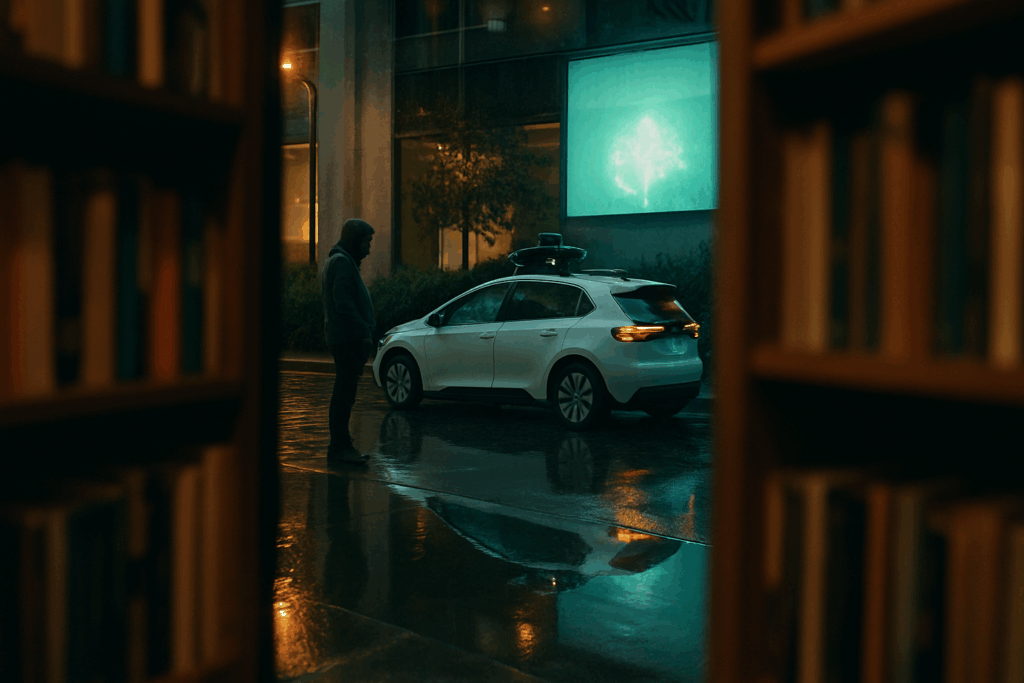
Visual content has become one of the most important parts of digital communication. Whether it is an online store, a social media campaign, a blog, or a personal project, people expect images to look polished and engaging. At the same time, creating professional visuals traditionally required specialized software, technical knowledge, and considerable editing time.
Artificial intelligence is changing that process. Modern image editing technology allows users to describe an idea in everyday language and turn that instruction into a visual result. Instead of manually adjusting every element, creators can increasingly use AI to experiment with backgrounds, objects, lighting, composition, and artistic styles.
Tools such as a Nano Banana 2.5 image editor demonstrate how AI-assisted image workflows are becoming more accessible to everyday creators. The technology gives users another way to explore visual concepts while reducing some of the repetitive work associated with conventional editing.
The Shift From Manual Editing to Intelligent Workflows
Traditional image editing usually follows a predictable process. A designer opens an image, selects an object, creates a mask, adjusts colors, modifies the background, and then makes additional corrections. Each step can require precision and experience.
AI introduces a different approach.
Rather than controlling every individual setting, users can explain the desired result. The system then attempts to understand the instruction and apply the appropriate modifications.
This does not eliminate the need for creative decisions. Instead, it changes where those decisions happen. The creator spends less time searching through menus and more time deciding what the image should communicate.
Turning Ideas Into Visual Experiments
One of the most interesting uses of AI image technology is rapid experimentation.
Imagine a business preparing a new advertising campaign. Before producing final graphics, the marketing team may want to explore several visual directions. They could test different environments, compositions, lighting styles, or color combinations without creating every version manually.
This makes the creative process more flexible.
An idea that might previously have taken hours to visualize can now become an early concept much faster. Once a promising direction is identified, the creator can refine it and prepare a more polished final design.
The value is not simply speed. It is the ability to explore more possibilities before committing to one creative direction.
Transforming Existing Images
AI editing is also useful when the starting point already exists.
A photographer may have a good image but dislike the background. An online seller may want to present the same product in several environments. A content creator might want to produce alternative versions of an existing graphic.
Instead of rebuilding the entire visual, AI-assisted editing can be used to request targeted modifications.
For example, a creator could ask for a cleaner background while keeping the main subject unchanged. Another instruction might request a different atmosphere while preserving the original composition.
The effectiveness of these edits depends heavily on the quality of the original image and the clarity of the instructions.
Why Context Matters in AI Editing
AI systems need context to understand what a creator actually wants.
A short instruction such as “change the background” may produce an unexpected result because it does not explain what type of background is required. A more detailed request can identify the environment, mood, lighting, perspective, and elements that should remain untouched.
For example, instead of simply requesting a new background, a creator could specify a clean modern workspace, natural lighting, realistic shadows, and preservation of the original subject.
This kind of detailed communication can make the editing process more predictable.
Better Visuals for Online Businesses
Online businesses constantly need fresh visual material. Product pages, promotional campaigns, social media posts, newsletters, and advertisements may all require different images.
AI editing can help businesses adapt existing assets for different purposes.
A single product photograph might serve as the starting point for multiple creative concepts. The product could be presented against a minimalist background for an online store and then placed in a lifestyle environment for social media content.
However, businesses should always verify important details after editing. Product colors, logos, packaging, text, and physical characteristics need to remain accurate. A visually impressive image can still create problems if it does not correctly represent the actual product.
Creating Content for Social Platforms
Social media has made visual variety increasingly important. Posting similar images repeatedly can make a brand’s content feel predictable, while producing every visual manually can consume significant resources.
AI tools provide an opportunity to create variations more efficiently.
Creators can experiment with different compositions while maintaining a consistent visual theme. They can also prepare images with additional space for captions, headlines, or other graphic elements.
This is particularly useful when one campaign needs several creative versions for different platforms.
AI as a Creative Partner
It is tempting to think of AI image technology purely as an automation tool. However, its creative potential can be more interesting than its ability to save time.
A designer can use AI to explore an idea that is difficult to visualize. A photographer can test possible settings before arranging a real shoot. A writer can develop visual references for a story. A marketer can experiment with different campaign concepts.
In these situations, AI becomes part of the brainstorming process.
The creator remains responsible for choosing the direction, correcting mistakes, and deciding what should eventually be published.
The Human Touch Still Matters
AI-generated or AI-edited images are not automatically perfect. Problems can sometimes appear in small details, proportions, text, reflections, shadows, or object relationships.
That is why reviewing the final image is essential.
Creators should inspect important areas closely and compare the edited version with the original. For commercial projects, additional checks may be necessary to ensure that the image follows brand guidelines and does not accidentally introduce inaccurate information.
Human judgment remains especially valuable when an image represents a real product, person, location, or business.
Making AI Editing More Effective
There are several simple ways to improve an AI image workflow.
First, begin with a clear objective. Know what needs to change before writing the prompt.
Second, describe important visual details. Mention the environment, lighting, perspective, style, and elements that should remain unchanged when they matter.
Third, avoid trying to modify everything at once. Making smaller adjustments can make it easier to identify and correct unwanted results.
Finally, keep the original image. Having a reference makes comparison and quality control much easier.
Where AI Image Editing Is Heading
The development of AI image technology suggests that editing will continue moving toward more natural interactions. Instead of learning complicated software commands, users may increasingly communicate with creative tools through simple instructions.
This could make advanced visual experimentation available to a much wider audience.
The technology may also become better at maintaining consistency across multiple images. That could be valuable for brands that need the same products, characters, colors, or visual identity to remain recognizable throughout an entire campaign.
Conclusion
AI image editing is changing the relationship between people and creative software. What once required numerous manual steps can increasingly begin with a simple idea expressed in natural language.
The biggest opportunity is not simply producing images faster. It is making experimentation easier. Creators can explore more concepts, test different visual directions, and refine ideas without rebuilding every version from scratch.
As these tools continue to develop, the strongest results will likely come from combining AI capabilities with human creativity, accuracy, and judgment. AI can help turn an idea into a visual starting point, but the creator remains the person who gives that visual purpose.
 Loren Hursterer is the kind of writer who genuinely cannot publish something without checking it twice. Maybe three times. They came to expert analysis through years of hands-on work rather than theory, which means the things they writes about — Expert Analysis, Latest Technology Updates, Mental Health Innovations, among other areas — are things they has actually tested, questioned, and revised opinions on more than once.
That shows in the work. Loren's pieces tend to go a level deeper than most. Not in a way that becomes unreadable, but in a way that makes you realize you'd been missing something important. They has a habit of finding the detail that everybody else glosses over and making it the center of the story — which sounds simple, but takes a rare combination of curiosity and patience to pull off consistently. The writing never feels rushed. It feels like someone who sat with the subject long enough to actually understand it.
Outside of specific topics, what Loren cares about most is whether the reader walks away with something useful. Not impressed. Not entertained. Useful. That's a harder bar to clear than it sounds, and they clears it more often than not — which is why readers tend to remember Loren's articles long after they've forgotten the headline.
Loren Hursterer is the kind of writer who genuinely cannot publish something without checking it twice. Maybe three times. They came to expert analysis through years of hands-on work rather than theory, which means the things they writes about — Expert Analysis, Latest Technology Updates, Mental Health Innovations, among other areas — are things they has actually tested, questioned, and revised opinions on more than once.
That shows in the work. Loren's pieces tend to go a level deeper than most. Not in a way that becomes unreadable, but in a way that makes you realize you'd been missing something important. They has a habit of finding the detail that everybody else glosses over and making it the center of the story — which sounds simple, but takes a rare combination of curiosity and patience to pull off consistently. The writing never feels rushed. It feels like someone who sat with the subject long enough to actually understand it.
Outside of specific topics, what Loren cares about most is whether the reader walks away with something useful. Not impressed. Not entertained. Useful. That's a harder bar to clear than it sounds, and they clears it more often than not — which is why readers tend to remember Loren's articles long after they've forgotten the headline.