The New Non-Negotiables: Security, Speed and Compatibility
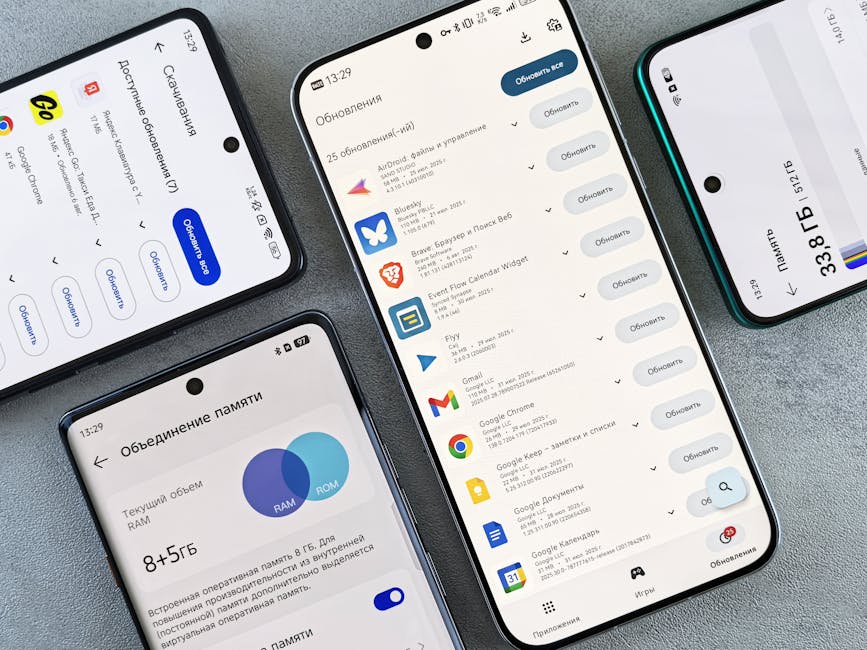
Vlogging moves fast. So does the tech behind it. In 2024, keeping your gear and software up to date isn’t just smart—it’s survival. Those updates you’ve been skipping? They’re not just fixing bugs. They’re closing security holes, boosting rendering speed and helping your content play nice across platforms.
Let stuff slide for too long and you’re looking at a triple hit: lost data, sluggish exports and exposure to hacks that could wipe out months of work. Not ideal.
What’s changed is how creators see updates. It used to be, “I’ll get to it.” Now it’s, “How can this help me move faster and stay safer?” From firmware to editing suites, the pros treat upgrades like strategy—not chores. You should too.
Big tech is clamping down on data collection, and it’s shaking things up for vloggers and viewers alike. iOS, Android, and macOS are all tightening privacy features, giving users more control over what’s being tracked and how. We’re seeing clearer consent prompts, stricter app permissions, and fewer background trackers making it through the cracks.
For creators, this means more transparency—and, in some cases, fewer blind analytics. It’s not all bad news. The upside is trust. Viewers feel safer, which can build stronger audience relationships over time. But it also means advertisers and platforms will lean harder on direct engagement metrics instead of passive data.
This shift doesn’t exist in a vacuum. Governments are pressuring companies globally to rein in exploitative practices, and tech giants are responding. If you’re vlogging in 2024, you’ll need to understand what data you’re allowed to access, how it’s collected, and how your viewers experience it.
More on this trend here: Global Events Driving the Latest Shifts in Consumer Technology
AI Is Speeding Up Workflow Without Replacing Humans
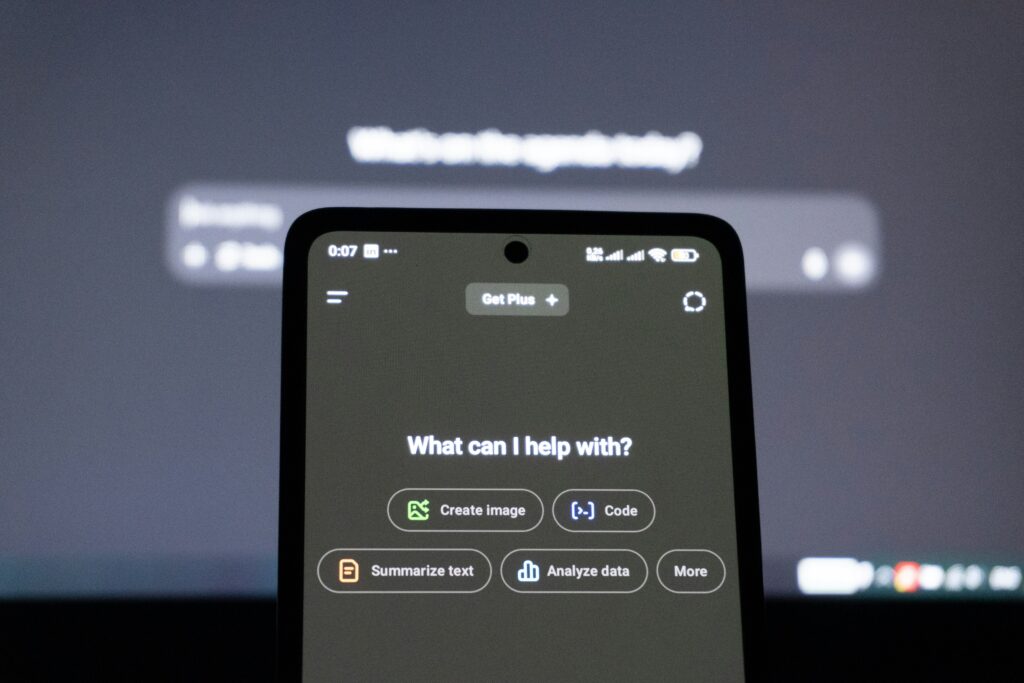
Generative AI isn’t a bonus tool anymore—it’s baked into the operating system. Windows now ships with Copilot. Google has wired Bard into products you already use. That means everyday tasks like rephrasing text, summarizing notes, or generating smart replies don’t take extra effort anymore. They’re native, frictionless, and fast.
For vloggers, this cuts down grunt work. Scripting ideas, trimming copy, or drafting captions—all of it moves quicker. But speed doesn’t mean handing over the creative reins. The best creators are using AI to handle the routine while keeping a firm grip on voice, tone, and story.
Still, there’s a line. The tools are assistants, not storytellers. The difference shows up in the details—a script that actually sounds like you, a comment reply that hits the right note. What gets automated is the part audiences don’t feel. The rest? Still in your hands.
Seamless Ecosystems Are No Longer a Bonus
Apple, Microsoft, and Google aren’t just expanding their platforms—they’re tightening their ecosystems with real intent. Devices now talk to each other without fuss. Shoot video on your iPhone, transfer it instantly to your iPad for editing, and push it to Final Cut or Premiere on a Mac or PC without jumping through hoops. Meanwhile, Google’s focus on Drive and cross-platform AI support means you can sketch scripts or fine-tune captions from anywhere, whether it’s a Chromebook or Android phone.
In 2024, syncing isn’t just syncing. It means your notes, clips, drafts, and schedules follow you. One log-in, and your full setup is ready to go on any screen. It strips out delay, reduces friction, and makes spontaneous vlogging possible. For creators who chase momentum, this level of mobility isn’t just about convenience—it’s about staying competitive.
Creating consistently, editing quickly, uploading from anywhere—the ecosystem arms race is giving vloggers the tools to do it all without stalling. The ones who lean into it are moving faster, smarter, and with fewer tech headaches.
Security Gets Smarter Without Getting in the Way
Digital security used to be a background concern for most creators. Not anymore. In 2024, multi-layer biometric authentication is popping up across platforms and devices, and it’s not just for fintech or enterprise users. Vloggers are finding features like fingerprint-plus-face ID combos and voice recognition baked right into their editing tools, cloud accounts, and publishing platforms. It’s fast, seamless, and no longer a luxury.
More apps and browsers are also stepping up with real-time threat detection. That means if something sketchy tries to slip in during a live stream or a browser extension starts acting shady, you’ll likely get a heads-up before it becomes a problem. These systems aren’t perfect, but they don’t sleep—and that helps.
What’s really changed is the silence of it all. Security updates have gotten better at running in the background with fewer pop-ups and less friction. For creators juggling footage, uploads, and account management, that’s a win. It’s harder for bad actors to get in, and easier for creators to stay focused on the work.
Accessibility Is Now a Competitive Edge
Vlogging platforms are finally catching up to the reality that not all users experience content the same way. Smarter voice controls, more accurate screen readers, and better captioning tools are becoming standard—not nice-to-haves. In 2024, accessibility is no longer just ethical. It’s strategic.
Companies like YouTube and TikTok are putting serious resources into inclusive updates. That means cleaner interfaces, keyboard navigation, and AI-driven transcripts that don’t butcher names or slang. These changes aren’t just helping people with disabilities—they’re improving everyday usability and viewer retention across the board.
For creators, this shift opens up wider audiences and deeper engagement. Adding alt text, structuring captions, pacing clearly—these aren’t chores. They’re tactics that sharpen your communication and make your content work harder for more people. Accessibility isn’t a trend. It’s table stakes.
Keeping your gear, apps, and platforms updated isn’t just a matter of convenience anymore—it’s about staying in the game. Tech changes fast, and what worked last month may leave you invisible tomorrow. Vlogging success now means paying attention to every shift, from YouTube algorithm updates to feature tweaks in editing software. These updates can help boost visibility, tighten security, and improve your workflow—if you know what you’re looking at.
That said, not every update deserves an instant download. Automatically applying updates is smart, but take a beat to read the patch notes or spot any new features that might mess with your usual setup. An unnoticed UI change can slow you down more than the bug it tried to fix. The creators doing it right? They’ve built a system—updates run on schedule, with just enough oversight to avoid surprises. Clean, efficient, and built for the long haul.
 Valmira Eldricson writes the kind of software reviews and tutorials content that people actually send to each other. Not because it's flashy or controversial, but because it's the sort of thing where you read it and immediately think of three people who need to see it. Valmira has a talent for identifying the questions that a lot of people have but haven't quite figured out how to articulate yet — and then answering them properly.
They covers a lot of ground: Software Reviews and Tutorials, Expert Analysis, Gadgets and Device Insights, and plenty of adjacent territory that doesn't always get treated with the same seriousness. The consistency across all of it is a certain kind of respect for the reader. Valmira doesn't assume people are stupid, and they doesn't assume they know everything either. They writes for someone who is genuinely trying to figure something out — because that's usually who's actually reading. That assumption shapes everything from how they structures an explanation to how much background they includes before getting to the point.
Beyond the practical stuff, there's something in Valmira's writing that reflects a real investment in the subject — not performed enthusiasm, but the kind of sustained interest that produces insight over time. They has been paying attention to software reviews and tutorials long enough that they notices things a more casual observer would miss. That depth shows up in the work in ways that are hard to fake.
Valmira Eldricson writes the kind of software reviews and tutorials content that people actually send to each other. Not because it's flashy or controversial, but because it's the sort of thing where you read it and immediately think of three people who need to see it. Valmira has a talent for identifying the questions that a lot of people have but haven't quite figured out how to articulate yet — and then answering them properly.
They covers a lot of ground: Software Reviews and Tutorials, Expert Analysis, Gadgets and Device Insights, and plenty of adjacent territory that doesn't always get treated with the same seriousness. The consistency across all of it is a certain kind of respect for the reader. Valmira doesn't assume people are stupid, and they doesn't assume they know everything either. They writes for someone who is genuinely trying to figure something out — because that's usually who's actually reading. That assumption shapes everything from how they structures an explanation to how much background they includes before getting to the point.
Beyond the practical stuff, there's something in Valmira's writing that reflects a real investment in the subject — not performed enthusiasm, but the kind of sustained interest that produces insight over time. They has been paying attention to software reviews and tutorials long enough that they notices things a more casual observer would miss. That depth shows up in the work in ways that are hard to fake.