Art has been linked to technology since time immemorial. Every generation has invented a means through which the imagination of the artist can be translated to visual experiences. However, artificial intelligence is bringing yet another revolution to the world of art by giving artists the ability to come up with artworks based on written descriptions, references, and creativity.
Artificial intelligence in art creation can come in handy to artists, content creators, marketing firms, students, designers, and businesses among others. It enables one to take an idea and turn it into an initial visual form without the need to put all the elements together manually.
What Is an AI Art Generator?
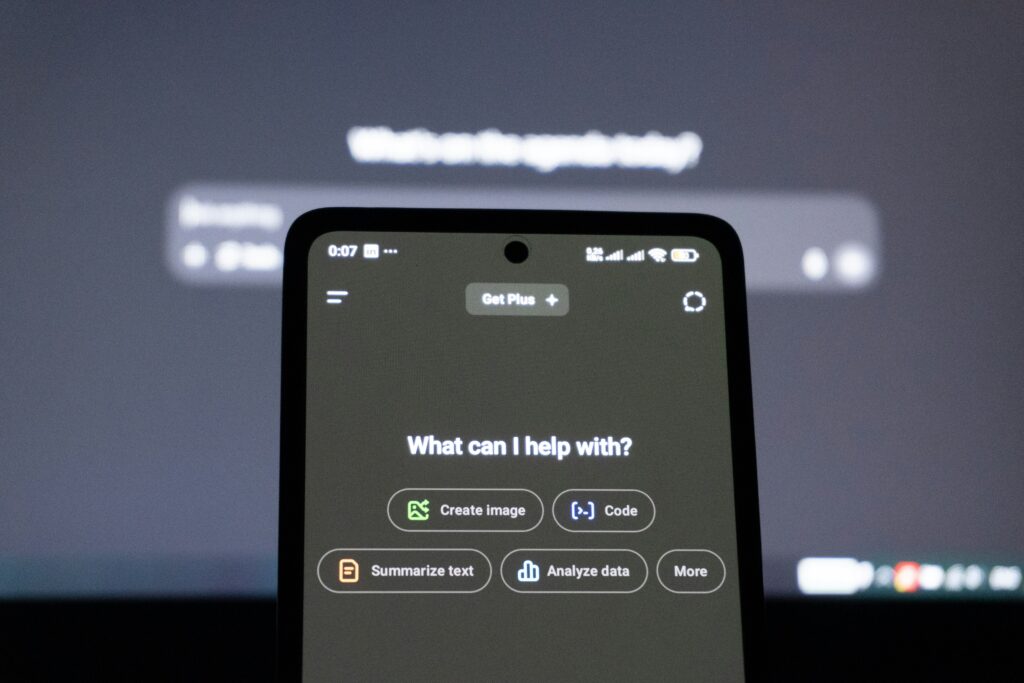
An AI art generator is a technology that leverages artificial intelligence to make visual artwork based on commands of the user. Commands can include subject matter, location, style of art, lighting, colors, composition, and other elements.
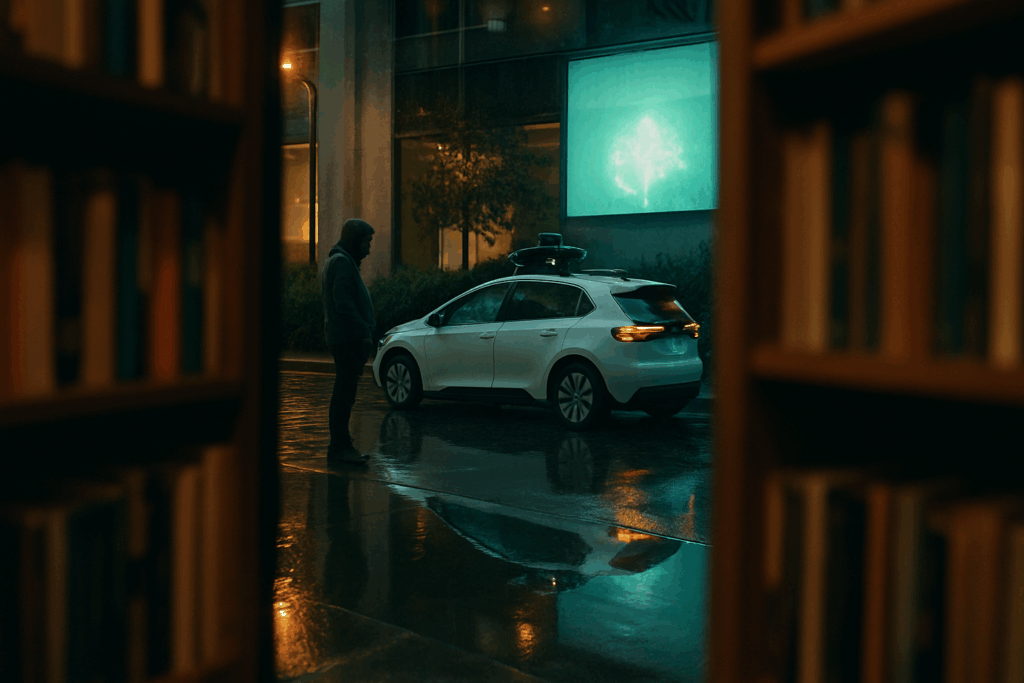
For instance, one may request a visualization of a city in the future during the sunset with its glass skyscrapers, airships, and cinematic light. An AI would analyze all these characteristics and create the corresponding image.
There are systems that can deal not only with textual commands but also with images as references. Instead of writing a description, one may upload the image for which he or she needs a certain visual direction.
If you wish to try out such workflow, you can play around with AI art generator and create visual concepts of your ideas.
Why AI Art Is Becoming Popular
Another factor that has drawn attention to the artwork created by AI is the rapidness with which ideas can be presented visually. Drawing an elaborate illustration takes several hours or even days, depending on how complex the work is.
However, AI technologies do not necessarily rule out the creative process entirely, yet they make it faster as one can come up with multiple ideas, pick the most intriguing one and continue working on it.
One more benefit is accessibility. While creating traditional digital artwork necessitates having skills and knowledge related to drawing programs, AI enables a person to start creating using common language.
It may prove especially helpful for those who have a lot of ideas but no expertise in design.
How Text Prompts Influence the Result
Giving prompts to an AI art generator is an indispensable stage in a creative process. The use of a generic prompt may lead to the creation of an artwork which will not be similar to the creator’s expectations.
Rather than forming an image based on a prompt “mountain landscape,” it is possible to come up with an illustration of something like “snow-covered mountain ranges at sunrise among the pines.
Here are the elements that might be included in the prompt:
- The Subject – what must be present in the picture?
- Environment – where does this take place?
- The Style – is it realistic, illustrative, painterly, cinematic or futuristic?
- Lighting – is it bright or dramatic, gentle or atmospheric?
- Composition – where must the primary subject be placed?
- Mood – what is the mood required for the picture – calm, energetic, mysterious, nostalgic?
What one should do is not make a very long prompt but rather include everything necessary to create the image.
AI Art for Social Media Content
Social media is a very visual space, so original imagery is always important for creators and brands. AI imagery can be used as background images, illustrations, thumbnails, campaigns ideas, and additional images.
For instance, an account dedicated to travel can create a creative illustration of a destination to complement the post, while a technology account can come up with futuristic images for the post with an article on innovations.
Moreover, AI makes it possible to try out various styles in order to pick up one that corresponds to the overall style of the page.
At the same time, generated images should always be checked before being posted.
AI Art in Marketing and Branding
Visual concepts are needed in business for various advertisements, social media, presentations, websites, and promotions. Using AI to create visual concepts can help in communicating ideas to the marketing team.
For instance, a marketing team that is designing a seasonal campaign can create various background visuals before coming up with a concept.
AI art can also be used when having brainstorming sessions where one tries to explain a visual concept using just words. The team can come up with a rough visualization of the concept and then discuss changes that will be made.
Professional designs may still be required after coming up with AI visual concepts especially when there are logos and brand rules to adhere to.
Supporting Digital Storytelling
Artificial intelligence art is also helpful in storytelling. Authors, filmmakers, game developers, or even independent artists can create images of characters, places, environments, or scenes before creating their projects.
An author may wish to create an image of a fictional place in order to understand its feel. A video artist may create a few scene ideas before producing a short film.
The images created may just act as guides, but not necessarily as the final artwork. The main point here is that the images help communicate an idea.
The Role of Human Creativity
Even though the AI can create images rapidly, the creative role of humans is still vital. While the technology can understand instructions, people determine their intentions and the efficiency of the created image.
Sometimes the generated image can include unexpected features, wrong proportions, odd things, and even inappropriate imagery compared to the idea that was there initially. The evaluation of the output can thus turn into a necessary part of the process.
Modern AI image generation services tend to incorporate editing functions along with the ability to create an image. This way users have the ability to crop images, adjust the brightness and contrast, apply filters, enhance details, and edit the image itself.
It provides an opportunity to integrate AI into the whole process of creation rather than creating something independently from the design process.
Choosing the Right Format
The usage of the AI generated image must be determined beforehand. The square form may fit perfectly for certain social media posts, while a landscape form may suit for website banners, presentations, or video thumbnails. Portrait form can also be preferable for mobile-first media content.
Such considerations in advance may save time spent on future cropping and editing, and it also guarantees visibility of the key topics in the image.
Reviewing AI-Generated Artwork
It is recommended that creators take a good look at their images before publishing them.
Important details to check include:
- Distorted objects or unusual proportions
- Inconsistent lighting or shadows
- Incorrect text or symbols
- Unwanted objects in the background
- Product details that do not match the real item
- Visual elements that could mislead viewers
- Copyright, licensing, or usage considerations
It is especially crucial when images will be used in commercial campaigns, presentations of products, education, and events from real life.
The creators also need to read the terms of the particular AI platform used by them. The rules regarding generation and commercial use can vary from one platform to another.
The Future of AI-Assisted Art
Artwork created by artificial intelligence will probably grow to be more related to other technologies used for creativity. The process will no longer be limited to the creation of an image only; a person will create an illustration, modify it, animate, and use it in videos or interactive works.
The technology might keep on developing in such spheres as visual uniformity, detailed editing, designing characters, composition, and understanding complicated creative prompts. As the systems advance, they can become useful not only for the generation of images.
Conclusion
The use of AI art generators is changing the way that people think about creating visuals. This technology makes it easier for people to translate their written concepts and visual sources into visual material without needing to start with nothing on each project.
The best use of this technology occurs when it works in conjunction with human guidance. The right concept, prompt, consideration, and editing can create valuable visual material from an initial concept generated by the AI generator.
This technology is not a replacement for traditional creativity but instead gives people another means to explore their thoughts. This can be particularly helpful for creators of visual concepts.
 Loren Hursterer is the kind of writer who genuinely cannot publish something without checking it twice. Maybe three times. They came to expert analysis through years of hands-on work rather than theory, which means the things they writes about — Expert Analysis, Latest Technology Updates, Mental Health Innovations, among other areas — are things they has actually tested, questioned, and revised opinions on more than once.
That shows in the work. Loren's pieces tend to go a level deeper than most. Not in a way that becomes unreadable, but in a way that makes you realize you'd been missing something important. They has a habit of finding the detail that everybody else glosses over and making it the center of the story — which sounds simple, but takes a rare combination of curiosity and patience to pull off consistently. The writing never feels rushed. It feels like someone who sat with the subject long enough to actually understand it.
Outside of specific topics, what Loren cares about most is whether the reader walks away with something useful. Not impressed. Not entertained. Useful. That's a harder bar to clear than it sounds, and they clears it more often than not — which is why readers tend to remember Loren's articles long after they've forgotten the headline.
Loren Hursterer is the kind of writer who genuinely cannot publish something without checking it twice. Maybe three times. They came to expert analysis through years of hands-on work rather than theory, which means the things they writes about — Expert Analysis, Latest Technology Updates, Mental Health Innovations, among other areas — are things they has actually tested, questioned, and revised opinions on more than once.
That shows in the work. Loren's pieces tend to go a level deeper than most. Not in a way that becomes unreadable, but in a way that makes you realize you'd been missing something important. They has a habit of finding the detail that everybody else glosses over and making it the center of the story — which sounds simple, but takes a rare combination of curiosity and patience to pull off consistently. The writing never feels rushed. It feels like someone who sat with the subject long enough to actually understand it.
Outside of specific topics, what Loren cares about most is whether the reader walks away with something useful. Not impressed. Not entertained. Useful. That's a harder bar to clear than it sounds, and they clears it more often than not — which is why readers tend to remember Loren's articles long after they've forgotten the headline.