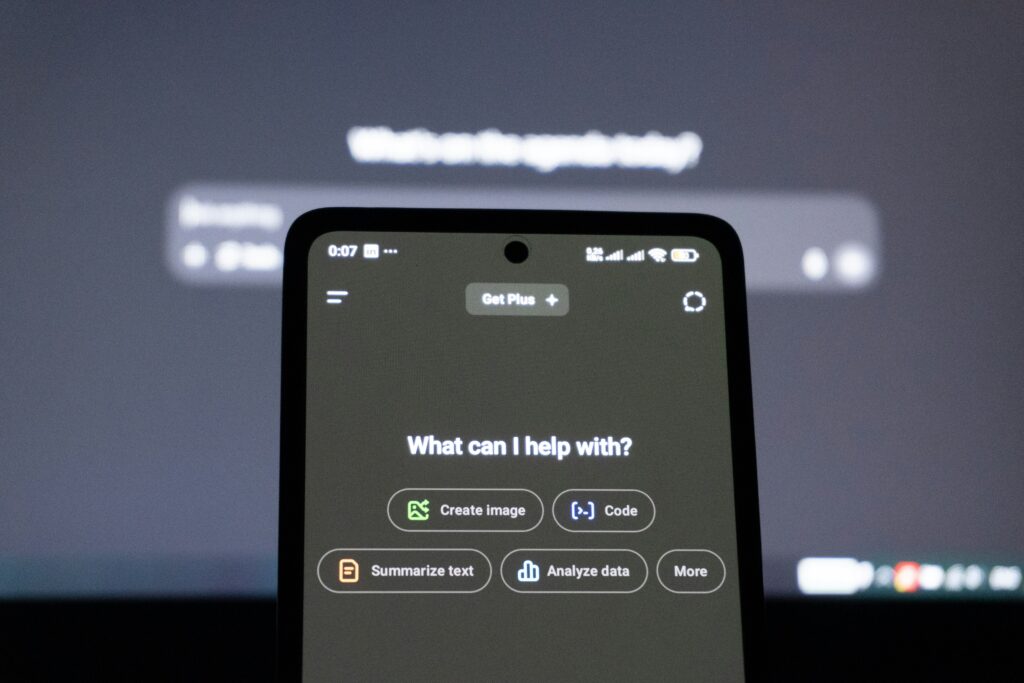
A traditional video editing application has always involved knowledge of the timeline, transitions, cutting tools, captions, and so on. But AI-powered editing is reshaping the way creators approach these tasks. Instead of manually preparing an initial draft for every clip, creators can now use a natural language description to let AI assist with the editing goal and get an initial draft ready to go.
A ChatGPT video editor workflow can make this process more practical by connecting conversational instructions with an editing environment. For instance, a user can offer footage and describe the desired structure and important moments, then use a separate editor to fine-tune it.
How Natural-Language Video Editing Works
Natural-language editing enables creators to pass along editing directions in a way that’s more like giving directions than working with complicated programs. Users can give a description of their desired workflow, and the tool will automatically look through several menus to find the appropriate one.
For example, a creator could want the most useful parts of multiple clips selected, extra clips to be removed, and the clips that are kept to be sequenced. Those instructions can then be used to assist with creating a rough-cut structure with the help of AI without requiring the creator to make any final decisions about the creation.
It can decrease repetitive setup tasks, particularly if a project has lots of source files that need to be checked out prior to editing commencing.
Turning Raw Footage Into an Editable Draft
The advantage of AI video editing is that it’s possible to use existing video footage. The creators can give their source clips and tell the algorithm what kind of video they want to create rather than creating the entire timeline from scratch.
The workflow can help locate helpful portions, cut away unwanted portions, and arrange selected clips into an editable timeline. This early draft may not be the final result of the video. Instead, it provides a framework for the creators to check and adjust.
It is significant as editing has more to do with it than just choosing technically suitable clips. Storytelling, timing, brand style, emotional response, and audience expectations still need to be judged by humans.
Better Control Over Video Structure
It isn’t sufficient to have good video if the video is not a compelling story. The sequence of scenes, pacing, transitions, captions, and structure can have a lot of impact on the viewing of the content.
Using AI to assist in editing can help creators convey these preferences prior to making the first cut. They are able to indicate when things can be done more quickly, where scenes should be placed, and whether the video should take a specific format or length.
Then the creator is able to review the timeline and make changes. Such a mix of automated support and manual control can render the editing process more flexible, but not eliminate the creative role of the editor.
Templates, Captions, and Creative Assets
Most of today’s video projects demand more than just cutting. Creators also might require templates, captions, stock media, visual elements, and versions for various media.
AI workflows can aid in recognizing the appropriate template or structuring existing creative assets based on the desired style and format of the video. For instance, when uploading video projects to CapCut, the workflow can assist in creating a match with relevant templates, while maintaining the editing timeline for additional editing.
The caption might also be introduced during editing. The creators will be able to use the editor to create captions and edit their timing, location of occurrence, language, and style within the editor. This could prove particularly useful if the same message should be delivered to the audience in various languages or formats.
Why Human Editing Still Matters
Although AI eases many jobs that involve repeated actions, this cannot completely replace human work. The generated text will still have to be revised and adjusted in terms of pacing, scenes, captions, audio, transitions, etc.
It would be incorrect to treat an AI script as a final draft. Instead, it should be viewed as just the first version of the video. Taking everything mentioned above into account will allow beginner video editors to move in the right direction. They don’t face an empty timeline; they can start with a structured draft and learn by tweaking the components that AI has already organized.
Making Video Production More Efficient
For social media content creators who make videos for social media on a regular basis- tutorials, product videos, explainers, or marketing videos- it can save a lot of time by avoiding repetitive preparation. Automated techniques driven by artificial intelligence can be used to speed up organizing primary data as well as preparing rough drafts, which can save one’s time in polishing and developing the plot. The major power is in the merging of automation with creativity. The creator is responsible for the message, style, timing, and the final quality; AI can assist with organization and repetitive components of production.
Conclusion
Natural-language video editing is opening up video production by making it easier to communicate the editing goals between video makers and video editors. The workflows powered by AI can assist in organizing footage, making rough cuts, matching templates and aiding with caption creation, without having to perform all of these steps manually at the beginning.
The best workflow, however, will always be human judgment alongside AI assistance. Creators can leverage AI for repetitive content preparation tasks and then edit it by hand to achieve their desired creative output, while increasing their efficiency in video creation.
 Loren Hursterer is the kind of writer who genuinely cannot publish something without checking it twice. Maybe three times. They came to expert analysis through years of hands-on work rather than theory, which means the things they writes about — Expert Analysis, Latest Technology Updates, Mental Health Innovations, among other areas — are things they has actually tested, questioned, and revised opinions on more than once.
That shows in the work. Loren's pieces tend to go a level deeper than most. Not in a way that becomes unreadable, but in a way that makes you realize you'd been missing something important. They has a habit of finding the detail that everybody else glosses over and making it the center of the story — which sounds simple, but takes a rare combination of curiosity and patience to pull off consistently. The writing never feels rushed. It feels like someone who sat with the subject long enough to actually understand it.
Outside of specific topics, what Loren cares about most is whether the reader walks away with something useful. Not impressed. Not entertained. Useful. That's a harder bar to clear than it sounds, and they clears it more often than not — which is why readers tend to remember Loren's articles long after they've forgotten the headline.
Loren Hursterer is the kind of writer who genuinely cannot publish something without checking it twice. Maybe three times. They came to expert analysis through years of hands-on work rather than theory, which means the things they writes about — Expert Analysis, Latest Technology Updates, Mental Health Innovations, among other areas — are things they has actually tested, questioned, and revised opinions on more than once.
That shows in the work. Loren's pieces tend to go a level deeper than most. Not in a way that becomes unreadable, but in a way that makes you realize you'd been missing something important. They has a habit of finding the detail that everybody else glosses over and making it the center of the story — which sounds simple, but takes a rare combination of curiosity and patience to pull off consistently. The writing never feels rushed. It feels like someone who sat with the subject long enough to actually understand it.
Outside of specific topics, what Loren cares about most is whether the reader walks away with something useful. Not impressed. Not entertained. Useful. That's a harder bar to clear than it sounds, and they clears it more often than not — which is why readers tend to remember Loren's articles long after they've forgotten the headline.