For years, the phrase “three to five business days” was the standard disclaimer for transferring money between different banks. It was a friction point that felt increasingly archaic as the rest of the digital world moved toward instant gratification.
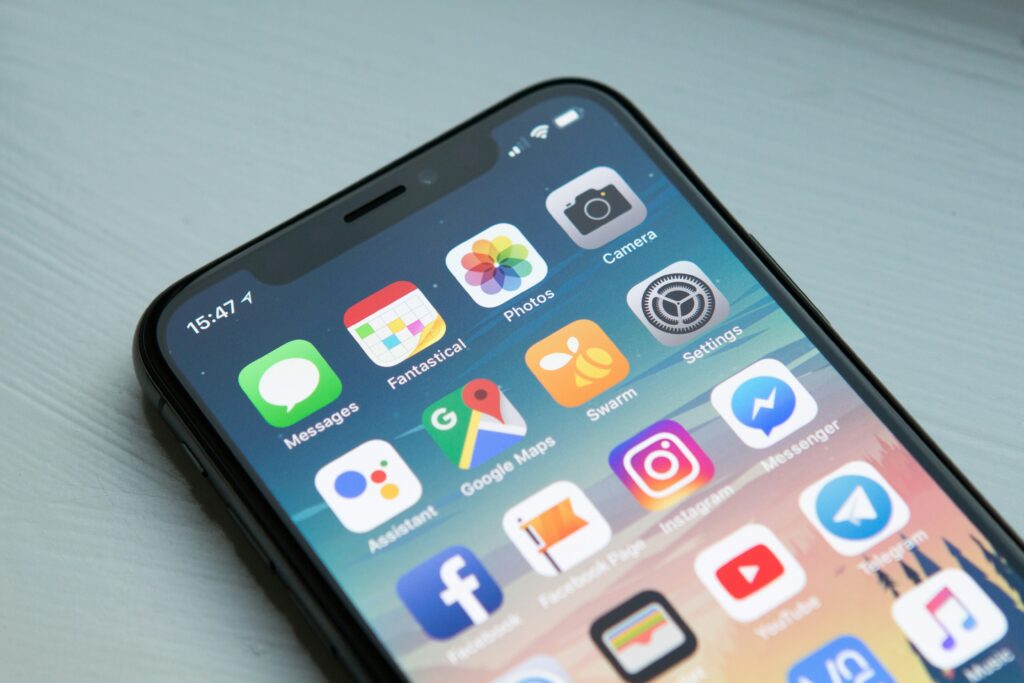
Today, that delay has largely vanished from the Australian financial landscape, replaced by a sophisticated infrastructure that allows funds to move as quickly as a text message. The smartphone has evolved from a simple viewing portal for bank balances into a powerful command centre for real-time finance, fundamentally changing how Australians interact with their money.
Evolution of Osko and PayID on Smartphones
The New Payments Platform (NPP), launched in 2018, has transformed with smartphone integration in recent years. Osko enabled near-instant payments, moving money between accounts in under a minute, 24/7, unlike legacy systems that processed transfers in batches and often delayed weekends.
PayID added simplicity, letting users link accounts to easy identifiers like mobile numbers or emails, eliminating the need for BSBs and account numbers. On smartphones, this made peer-to-peer payments as intuitive as sending a message.
Adoption has been rapid: over 128 million accounts are reachable via NPP, with more than 29 million PayIDs registered. For users, banking now feels seamless, turning mobile devices into digital wallets and removing the friction that once made digital payments cumbersome.
Real-Time Transaction Impact on Gaming and Entertainment Sectors
Instant transactions are critical in gaming and digital entertainment. Delays in deposits or withdrawals disrupt immersion and erode trust. Payment speed has become a key differentiator, and platforms are often cited as best PayID casino in Australia because they offer near-instant withdrawals, ensuring a seamless user experience.
This expectation extends to the broader creator economy. Streamers, digital artists, and content creators rely on immediate support from audiences. Osko-enabled payments allow real-time transfers, increasing engagement and transaction volume. Removing friction doesn’t just save time—it actively stimulates economic activity across these digital ecosystems.
Why Consumers Prioritize Speed Over Traditional Banking
Modern consumers live in an on-demand economy—streaming movies instantly, ordering food in minutes, and hailing rides with a tap. In this context, slow bank transfers feel outdated. Speed has become the key measure of a financial service’s quality, and users quickly abandon apps that lag or leave payments “pending.”
This focus on speed is driving the digital banking boom. Consumers are moving away from cash and cards in favor of instant mobile transactions, which provide efficiency, peace of mind, and real-time budgeting. Data shows Australians are rapidly adopting these tools, making the smartphone the primary instrument of trade, while physical wallets increasingly serve as backup.
Future Security Standards for Instant Mobile Transfers
With faster payments comes the need for stronger security. Instant transactions remove the delay that once allowed fraudulent activity to be caught, so protocols must now be proactive. Verification layers like Confirmation of Payee let users confirm the recipient before sending, reducing scams and misdirected funds. The NPP, processing over 1.8 billion transactions annually, demonstrates the system’s robustness and consumer trust.
Biometric authentication—Face ID and fingerprints—adds another layer of protection, and future AI-driven fraud detection will analyze transactions in milliseconds to match speed with intelligence.
The Road Ahead for Mobile Payments
Looking forward, instant payments will integrate further into mobile apps. Tools like PayTo will bring real-time control to recurring bills, while global standards such as ISO 20022 will add clarity and richer data to each transfer. The aim is a seamless, transparent financial ecosystem, cementing the smartphone as the central hub of Australian commerce.
 Loren Hursterer is the kind of writer who genuinely cannot publish something without checking it twice. Maybe three times. They came to expert analysis through years of hands-on work rather than theory, which means the things they writes about — Expert Analysis, Latest Technology Updates, Mental Health Innovations, among other areas — are things they has actually tested, questioned, and revised opinions on more than once.
That shows in the work. Loren's pieces tend to go a level deeper than most. Not in a way that becomes unreadable, but in a way that makes you realize you'd been missing something important. They has a habit of finding the detail that everybody else glosses over and making it the center of the story — which sounds simple, but takes a rare combination of curiosity and patience to pull off consistently. The writing never feels rushed. It feels like someone who sat with the subject long enough to actually understand it.
Outside of specific topics, what Loren cares about most is whether the reader walks away with something useful. Not impressed. Not entertained. Useful. That's a harder bar to clear than it sounds, and they clears it more often than not — which is why readers tend to remember Loren's articles long after they've forgotten the headline.
Loren Hursterer is the kind of writer who genuinely cannot publish something without checking it twice. Maybe three times. They came to expert analysis through years of hands-on work rather than theory, which means the things they writes about — Expert Analysis, Latest Technology Updates, Mental Health Innovations, among other areas — are things they has actually tested, questioned, and revised opinions on more than once.
That shows in the work. Loren's pieces tend to go a level deeper than most. Not in a way that becomes unreadable, but in a way that makes you realize you'd been missing something important. They has a habit of finding the detail that everybody else glosses over and making it the center of the story — which sounds simple, but takes a rare combination of curiosity and patience to pull off consistently. The writing never feels rushed. It feels like someone who sat with the subject long enough to actually understand it.
Outside of specific topics, what Loren cares about most is whether the reader walks away with something useful. Not impressed. Not entertained. Useful. That's a harder bar to clear than it sounds, and they clears it more often than not — which is why readers tend to remember Loren's articles long after they've forgotten the headline.